
Egg Recipes Using 10+ Eggs: High-Volume Baking and Cooking Ideas
Recipes that use 10 or more eggs are designed for when your egg supply is building faster than you can use it. Whether you’re managing a productive flock, preparing for markets, or simply trying to stay ahead, these high-egg recipes help you use a large number of eggs efficiently.
From rich baked goods to large-batch dishes, this collection focuses on practical ways to turn excess eggs into something useful.
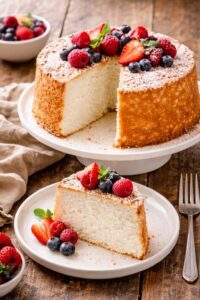
Recipes for When You Have Too Many Eggs
When you reach the point of having dozens of eggs on hand, standard recipes no longer keep up. Recipes that use 10 or more eggs allow you to reduce your supply quickly while still producing high-quality food.
This category is ideal for:
- High-volume baking
- Batch cooking and meal prep
- Preparing goods for markets or sharing
- Managing peak egg production seasons
If your egg supply feels like it’s getting ahead of you, this is where you start catching up.
What Types of Recipes Use 10+ Eggs?
Recipes in this range rely heavily on eggs for structure, richness, and volume. You’ll commonly find:
- Custards, curds, and egg-based desserts
- Cheesecakes and dense baked goods
- Large cakes and batch baking recipes
- Dishes designed for storage, freezing, or selling
These recipes are built to handle volume while still delivering consistent results.
Managing a High Egg Supply
Once you reach this level of production, using eggs becomes more about systems than individual meals. Rotating through high-egg recipes helps prevent waste and keeps your supply manageable.
Explore additional categories for balance:
Or browse the full collection of egg recipes
Tips for Baking With Large Quantities of Eggs
When working with recipes that use a high number of eggs:
- Use consistent egg sizing to maintain structure
- Bring eggs to room temperature before mixing
- Mix carefully—overmixing can affect texture in large batches
Because eggs play a dominant role in these recipes, small variations can have a bigger impact.
Using Farm Fresh Eggs at Scale
Farm fresh eggs shine in high-egg recipes:
- Rich yolks improve color and flavor
- Strong whites support structure in baked goods
- Variability in size may require slight adjustments
These qualities become more noticeable—and more beneficial—as egg counts increase.
Packaging, Storage, and Selling
If you’re consistently using 10+ eggs per recipe, you’re likely producing at a level where storage and presentation matter.
Whether you’re selling eggs, baked goods, or both, packaging helps protect your product and increases perceived value.
Explore packaging options:
Final Thoughts
Recipes that use 10 or more eggs are essential for managing a high-producing flock. They allow you to use eggs efficiently, reduce waste, and create products that can be shared, stored, or sold.
When your egg supply grows, your recipes should scale with it.
Frequently Asked Questions
More Questions
What’s the difference between 8–10 egg recipes and 11+ egg recipes?
Recipes using 8–10 eggs are useful for steady usage, while 11+ egg recipes are designed for larger surpluses. If your egg supply is building quickly, the higher-count recipes are the most efficient way to reduce inventory.
Are these recipes good for farm stands or selling?
Many high-egg recipes, especially baked goods and casseroles, can be adapted for sharing or selling depending on local regulations. They’re also useful for adding value to your egg supply if you sell directly to customers.
What should I do if I still have too many eggs after cooking?
If you still have excess eggs, consider rotating between high-egg recipes, meal prep options, and freezer-friendly dishes. Spreading usage across multiple approaches helps prevent waste and keeps eggs from piling up again.
Can recipes using 11+ eggs be frozen?
Some recipes can be frozen, especially casseroles and certain baked goods. However, texture can change depending on the recipe. Dishes with high dairy content or delicate textures may not freeze as well.
How long do cooked egg dishes last in the refrigerator?
Most cooked egg dishes will last 3 to 4 days in the refrigerator when stored in an airtight container. For best results, allow the dish to cool completely before storing and reheat portions as needed.
Can I double a recipe to use more eggs?
Yes, many egg-based recipes can be doubled, especially casseroles, baked dishes, and some desserts. However, baking times may need to be adjusted, and larger pans are often required to ensure even cooking.
What is the fastest way to use a large number of eggs?
The fastest way to use a large number of eggs is to choose recipes that combine many eggs into a single dish, such as casseroles, custards, or baked goods. These allow you to use a dozen or more eggs in one batch without requiring multiple recipes.
What recipes use 11 or more eggs at once?
Recipes that use 11 or more eggs are typically baked goods, custards, large casseroles, and recipes that rely heavily on egg structure. Examples include angel food cake, large batch quiche, layered breakfast bakes, and certain desserts that use separated eggs.